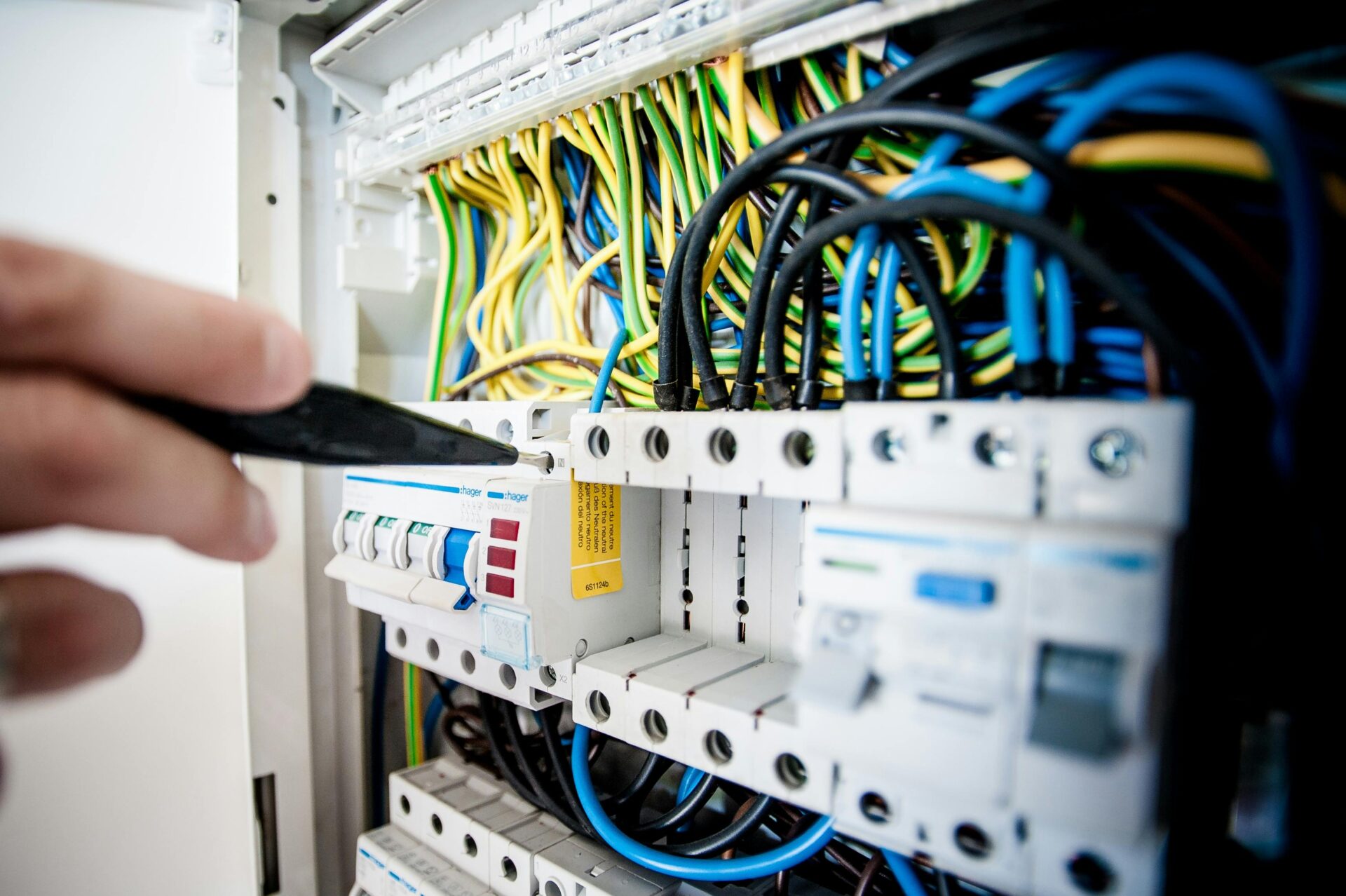
In today’s digitally driven world, used control systems have become a cornerstone in optimizing and automating electrical installations across residential, commercial, and industrial sectors. From ensuring energy efficiency to enhancing safety and streamlining processes, control systems are more than just a convenience—they’re a necessity.
Introduction to Electrical Installations
Electrical installations encompass the systems used to deliver electricity to various end users—be it lighting, heating, cooling, or powering machines. These installations are foundational in every building and play a critical role in ensuring functionality and safety.
A well-designed electrical installation system is vital for smooth operation, whether in homes or industrial plants. Control systems elevate this functionality by introducing automation, precision,
and intelligence.
What Are Control Systems?
Control systems are mechanisms that manage, command, direct, or regulate the behavior of other systems or devices. These systems typically consist of:
- Sensors: Detect environmental or operational changes.
- Controllers: Make decisions based on inputs.
- Actuators: Execute actions based on controller commands.
Two primary types of control systems are:
- Open-loop systems: Operate without feedback.
- Closed-loop systems: Adjust operations based on feedback.
Why Used Control Systems Are Essential in Electrical Installations
Adopting used control systems offers numerous advantages for modern electrical infrastructure:
- Cost Efficiency: Purchasing second-hand systems reduces capital expenditure.
- Performance Reliability: Many used systems undergo rigorous testing before resale.
- Sustainability: Reusing components supports eco-friendly practices.
- Automation: These systems enable real-time adjustments and error detection.
Key Components in Control Systems
Every control system includes integral parts working in synergy:
- Sensors: Temperature, voltage, and current sensors gather input data.
- Controllers: PLCs, microcontrollers, or computers process information.
- Actuators: Motors, valves, and relays perform desired actions.
- Human-Machine Interface (HMI): Facilitates user interaction with the system.
Types of Control Systems Used in Electrical Installations
1. PLC (Programmable Logic Controllers)
Widely used in industrial automation for real-time control and flexibility.
2. SCADA (Supervisory Control and Data Acquisition)
Ideal for large-scale systems, allowing centralized monitoring and control.
3. Relay-Based Systems
Suitable for basic applications; often found in older or simpler setups.
ALT Text: SCADA control interface for electrical installation
Advantages of Using Control Systems
Implementing control systems—mainly used ones—offers clear benefits:
- Energy Efficiency: Optimizes power usage and reduces waste.
- Remote Monitoring: Access and adjust systems from anywhere.
- Predictive Maintenance: Identifies issues before they lead to failures.
Real-World Applications of Control Systems in Electrical Systems
- Industrial Automation: Controls assembly lines, packaging, and material handling.
- Commercial Buildings: Manages lighting, HVAC, and energy distribution.
- Smart Homes: Enables device control via mobile apps or voice commands.
Choosing the Right Control System for Your Installation
When selecting a system, consider:
- Installation Size: Small homes need simpler systems than those in factories.
- Budget: Used control systems are a cost-effective alternative.
- Complexity: Advanced needs may require SCADA or PLCs.
Integration with IoT and Smart Technology
Modern control systems are increasingly linked with IoT (Internet of Things) to enable:
- Real-time data analytics
- Automated decision-making
- Seamless connectivity
Common Challenges in Control System Implementation
- Compatibility: New devices may not align with older infrastructure.
- Technical Expertise: This requires skilled professionals to set up and troubleshoot.
- Maintenance: Regular checks are needed to avoid breakdowns.
Safety Standards and Compliance in Control Systems
Control systems must comply with international safety standards like:
- IEC 61131: For programmable controllers
- IEEE Standards: For electrical safety and interoperability
- National Codes: Local electrical codes and certifications
Upgrading and Retrofitting with Used Control Systems
Retrofitting old systems with used control systems provides:
- Improved Performance: Modern features at a fraction of the cost
- Reduced Downtime: Quicker installation compared to new systems
- Sustainability: Minimizes electronic waste
Environmental Impact of Smart Electrical Installations
Intelligent control systems reduce energy waste by:
- Monitoring usage patterns
- Automating shut-offs
- Balancing load distribution
This makes electrical installations more eco-friendly and cost-effective.
Future Trends in Electrical Installations and Control Systems
- AI and Machine Learning: For predictive adjustments and diagnostics
- Wireless Control Systems: Reducing cable dependency
- Cloud Integration: Facilitating remote access and scalability
Frequently Asked Questions (FAQs)
Q1. What are the benefits of using used control systems in electrical installations?
A1. They are cost-effective, sustainable, and often tested for reliability.
Q2. Are used control systems safe to implement?
A2. Yes, provided they meet compliance standards and are properly tested.
Q3. Can control systems be integrated with modern technology?
A3. Absolutely! Many used systems can be upgraded or adapted for IoT and smart integration.
Q4. How do control systems improve energy efficiency?
A4. They regulate usage, reduce waste, and automate energy-saving protocols.
Q5. Where are control systems most commonly used?
A5. Industrial plants, commercial buildings, and increasingly in smart homes.
Q6. Is it difficult to retrofit an old system with a used control system?
A6. Not at all—retrofitting can be quicker and more affordable than a full replacement.
Conclusion
In the ever-evolving landscape of technology, used control systems stand out as a practical solution for enhancing electrical installations. They provide safety, intelligence, and affordability, making them a wise investment for any facility for efficient energy use and automated control. Whether upgrading an existing system or setting up a new one, integrating control systems is no longer a luxury but a smart necessity.